Abstract

Through the use of student quizzes, the results of this study will demonstrate that gamification in education leads to students performing better in their academics in the UAE. Our approach will be through experimental research, We will collect data from high school students, conduct interviews, and distribute surveys. We'll have an experimental and a control group. We will teach a completely new topic to the experimental group using gamified studies, and we will teach the identical topic to the control group using traditional study methods. we will then compare our results. Some students feel bored with normal teaching methods because of the repetitiveness of the learning process. There are also students who feel bored because the material isn't challenging enough. If they grasp the material faster than the rest of their class, they'll naturally feel bored during the lessons. Gamified learning will help them through their own pace, with harder questions for those who understand quicker and easier questions for those who need more time to understand. Gamified learning will allow students to feel happy or rather excited to go to school. Gamification in education means that educators apply game design elements to an educational setting. The goal is usually to make learning more engaging. Breaking the concept of a “game” down into constituent game design elements is tricky, considering how vast the differences are among, say, chess, The Sims, and tag. There is in fact a range of elements that games might have, with different players being attracted to different elements. Researcher Dr. Nick Yee proposed one way to model the elements of what motivates gamers: Action (e.g., objectives) Social (e.g., competition) Mastery (e.g., scoring) Achievement (e.g., awards) Creativity (e.g., customization) Some features are commonly tried, such as scoring and badges, but educators should also be mindful of less-structured features. Educational games such as Kahoot and ixl already exist, but they lack the original game-like experience. The games I stated above are highly uninteresting to pupils since they are constantly afraid of failing and because these games do not engage learners. Students would opt to play a critical thinking game that allows them to learn over a questionnaire on a tablet labeled as a game. Students require competition and activities to motivate them to learn, which these games do not supply. Kahoot is a simple screen test; the only difference is that you answer on your device and the results are shared on a hosting monitor. This game does not provide pupils with a creative main character experience like other original games do. Blooket is another well-known learning website that allows students to compete against one another. However, we must note that these games do not allow students to work from home, and once you have answered all of the questions, the previous questions begin to repeat, making you feel bored.

Method

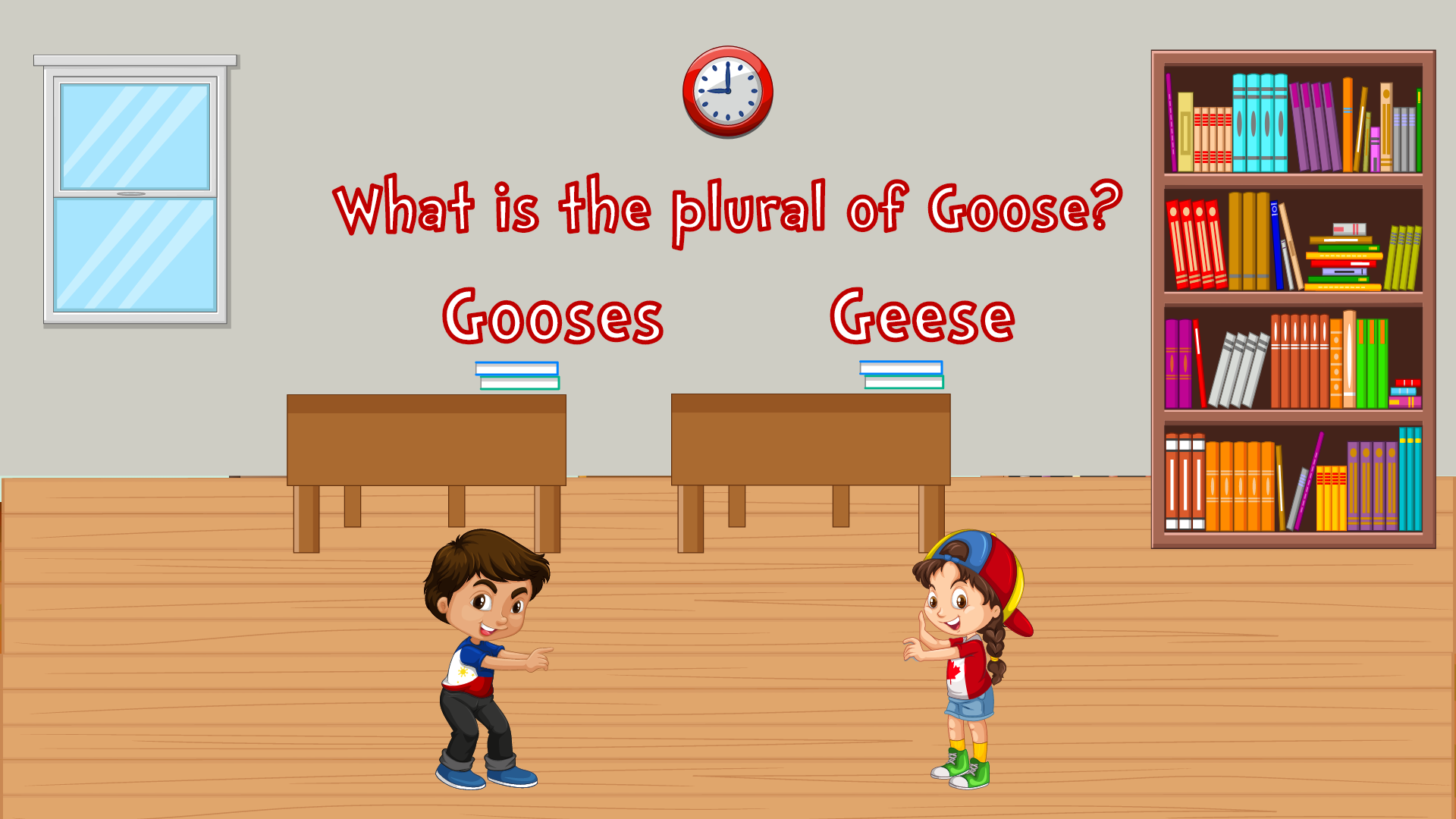
Select topic for learning , gamify topic an app with the web app developer

Assign learning material to control group and gamified game learning material to test group.

gather information through student surveys.

compare data from the control group and test group , analyze dat with the statistician

Result and Discussion

1. Do you like studying? (0 point)

7
9
4

2. what you say that you enjoy going to school? (0 point)

7
9
4

3. Do you like studying from powwer points? (0 point)

7
9
4

2. Do you like gaming point? (0 point)

7
9
4

3. Do you like studying from powwer points? (0 point)

7
9
4

2. Do you like gaming point? (0 point)

7
9
4

The findings of this study support our claims, demonstrating that when high school students are taught a topic through gamified education, they grasp it better. The survey and experiment show that when students were taught traditionally, they were more likely to get the questions wrong and forget what they learned, whereas when we used gamified studies, they got the majority of the questions right and were able to remember what they learned for longer periods of time. Gamified education can truly allow students to explore with many forms of identification and approach their studies from various angles.The girls were significantly more engaged in the gamified lesson when we were conducting the experiment, but in the regular class they seemed bored and out of it (most likely not paying attention). When the gamified lesson was in session, the girls would applaud for each other when a classmate faced a challenge, but in regular class, the girls just listened to her answer.

According to the survey results, more than 90% of girls prefer educational games when studying and over 80% despise going to school. We could modify the unfavorable statistics with our gamified studies, and students will most likely like coming to school since when asked whether they liked the notion of gamified studying, more than 90% stated they were open to the idea, while 10% said they weren’t so sure.

Conclusion

We understood from the beginning that we were going to improve education for all pupils. We proposed the novel concept of each school having its own website game for student assignments and homework. We were able to prove our hypothesis that gamified education helps pupils do better in school using our experimental approach. To enhance, we could include other subjects offered by the school, not just the core ones, and we could also include an EmSAT section.